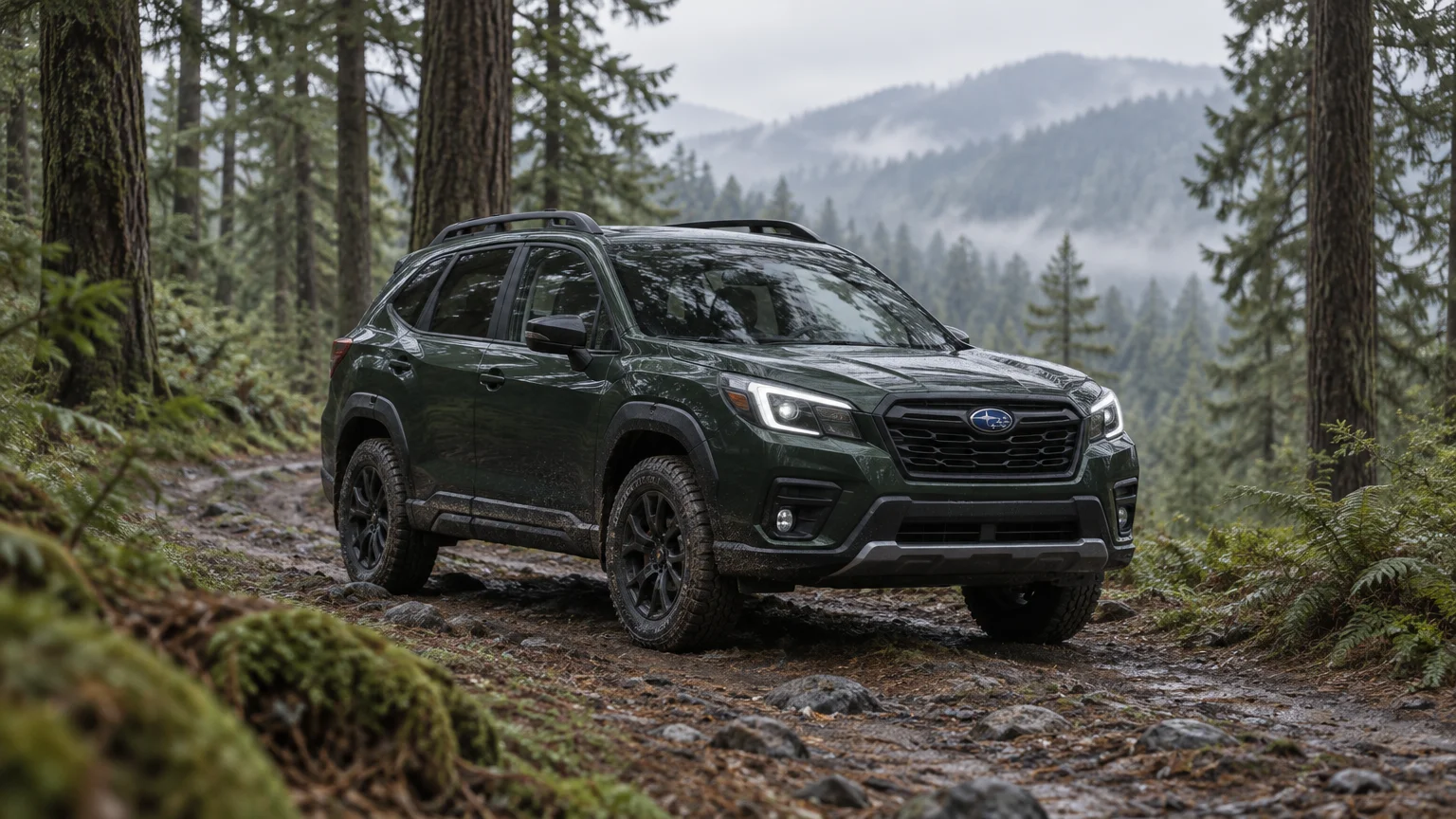
If you navigate cratered city avenues all week and seek remote trailheads on weekends, your vehicle choices just got much more interesting. The upcoming 2027 Hyundai Tucson Hybrid XRT Pro brings genuine factory-built off-road hardware directly to a compact hybrid SUV.
Hyundai is upgrading its best-selling crossover with elevated ground clearance, tough all-terrain tires, and an enhanced electrified powertrain. You no longer have to sacrifice fuel economy to gain trail-ready durability.
Scheduled to arrive in early Q2 2027, this rugged compact hybrid targets urban adventurers who want capability without truck-sized ownership costs. Here is everything you need to know about the new hardware and real-world performance.
In This Briefing08 Sections ▾
- 01Factory Trail Hardware Meets Electrified Efficiency
- 02Next-Generation TMED-II Hybrid Powertrain Delivers 233 Horsepower
- 03Smart Trail Tech and Everyday Urban Practicality
- 04Cabin Upgrades, Cargo Room, and Pleos Connect
- 05Budgeting for New Car Prices in the Compact Hybrid Segment
- 06Expert Perspectives on Trail Capability and City Durability
- 07Frequently Asked Questions
- 08Future Outlook and What to Watch Next
Factory Trail Hardware Meets Electrified Efficiency
For years, the Tucson XRT trim was an appearance package limited to cosmetic roof rails and plastic cladding on gas models. That changes completely with the 2027 model year.
The new 2027 Hyundai Tucson Hybrid XRT Pro shifts to a hybrid-exclusive configuration equipped with legitimate off-pavement upgrades. It delivers functional protection rather than simple visual styling.
Hyundai raises the chassis to provide 8.3 inches of ground clearance; that is a notable 1.2-inch increase over the 7.1-inch base gasoline model. This added height helps you clear deep snowbanks and treacherous city potholes.
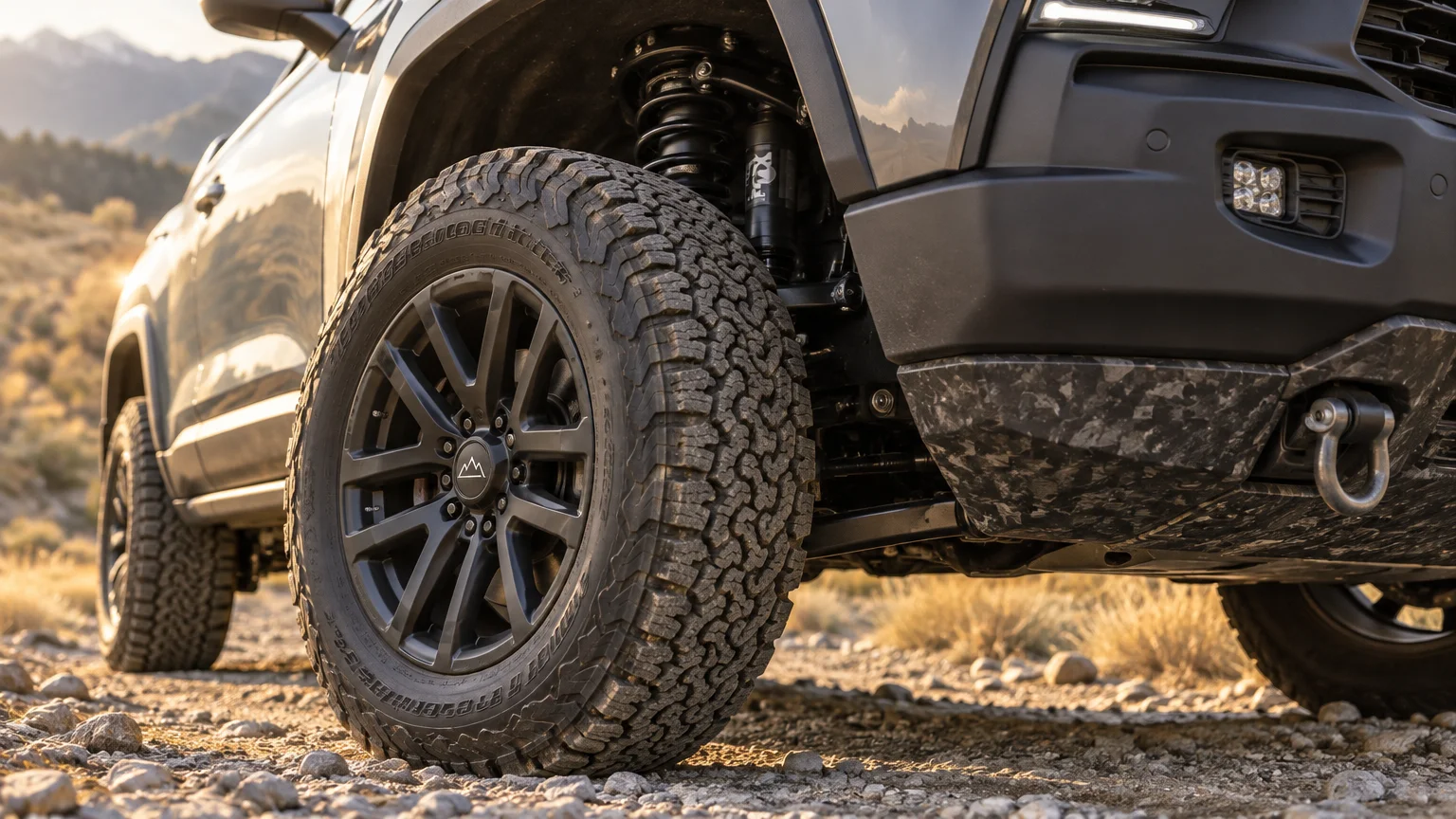
Underneath, black 18-inch alloy wheels come wrapped in 235/60R18 Continental CrossContact all-terrain tires. These rugged tires provide immediate grip on loose gravel paths, wet cobblestones, and slick tram tracks alike.
Preproduction specifications published by Hyundai Motor America detail an 18.2-degree approach angle alongside a 26.3-degree departure angle. Prominent front recovery hooks and forged-carbon-patterned lower body cladding complete the protective armor.
Next-Generation TMED-II Hybrid Powertrain Delivers 233 Horsepower
Beneath the sculpted hood sits Hyundai’s updated TMED-II hybrid architecture. The system combines a 1.6-liter turbocharged four-cylinder combustion engine with a 64-horsepower permanent-magnet electric motor.
Working together, this powertrain produces a robust 233 horsepower at 6,000 rpm and 280 pound-feet of torque between 1,500 and 4,000 rpm. A conventional six-speed automatic transmission channels power directly to all four wheels.
Electric assistance delivers instant low-end torque right off the line. That immediate response eliminates the annoying hesitation often found in standard gas-only crossovers when merging into rapid urban traffic.
Standard HTRAC All-Wheel Drive actively apportions driving torque between the front and rear axles. When sensors detect slipping wheels on wet pavement or loose dirt, mechanical power transfers rearward instantly.
Hyundai eliminated the plug-in hybrid option from the American Tucson lineup for 2027. Drivers must choose between the updated 184-horsepower turbocharged base gas engine or this potent self-charging hybrid setup.
Smart Trail Tech and Everyday Urban Practicality
Advanced software systems make off-road exploration accessible even if you have never tackled backwoods trails before. The XRT Pro introduces Hyundai’s proprietary X-Trek+ smart terrain control system.
X-Trek+ actively analyzes surface traction in real time and displays intuitive green, orange, or red stuck scores across the digital instrument cluster. You instantly know when your tires are losing vital purchase.
The Target Speed Control system functions as off-road cruise control at speeds up to 15 mph. It modulates throttle and individual brake calipers automatically, allowing you to focus entirely on steering.
For tight spots, an available Ground View Monitor uses front-facing cameras to project a transparent underbody view onto the center display. This camera reveals hidden curbs, jagged rocks, and high parking stops before you scrape.
Towing capability jumps dramatically to 3,000 pounds for 2027 hybrid all-wheel-drive models. That marks a 1,000-pound improvement over the 2026 Tucson Hybrid, enabling you to pull lightweight campers or utility trailers easily.
Campers will also appreciate standard Hybrid Stay Mode. This feature operates your climate control, sound system, and device chargers for up to 30 minutes off the 1.49-kWh lithium-ion battery with the engine off.
Cabin Upgrades, Cargo Room, and Pleos Connect
The fifth-generation Tucson expands its exterior footprint to 185.0 inches long and 75.0 inches wide on a generous 109.6-inch wheelbase. These larger dimensions directly translate into expanded interior passenger volume and cargo flexibility.
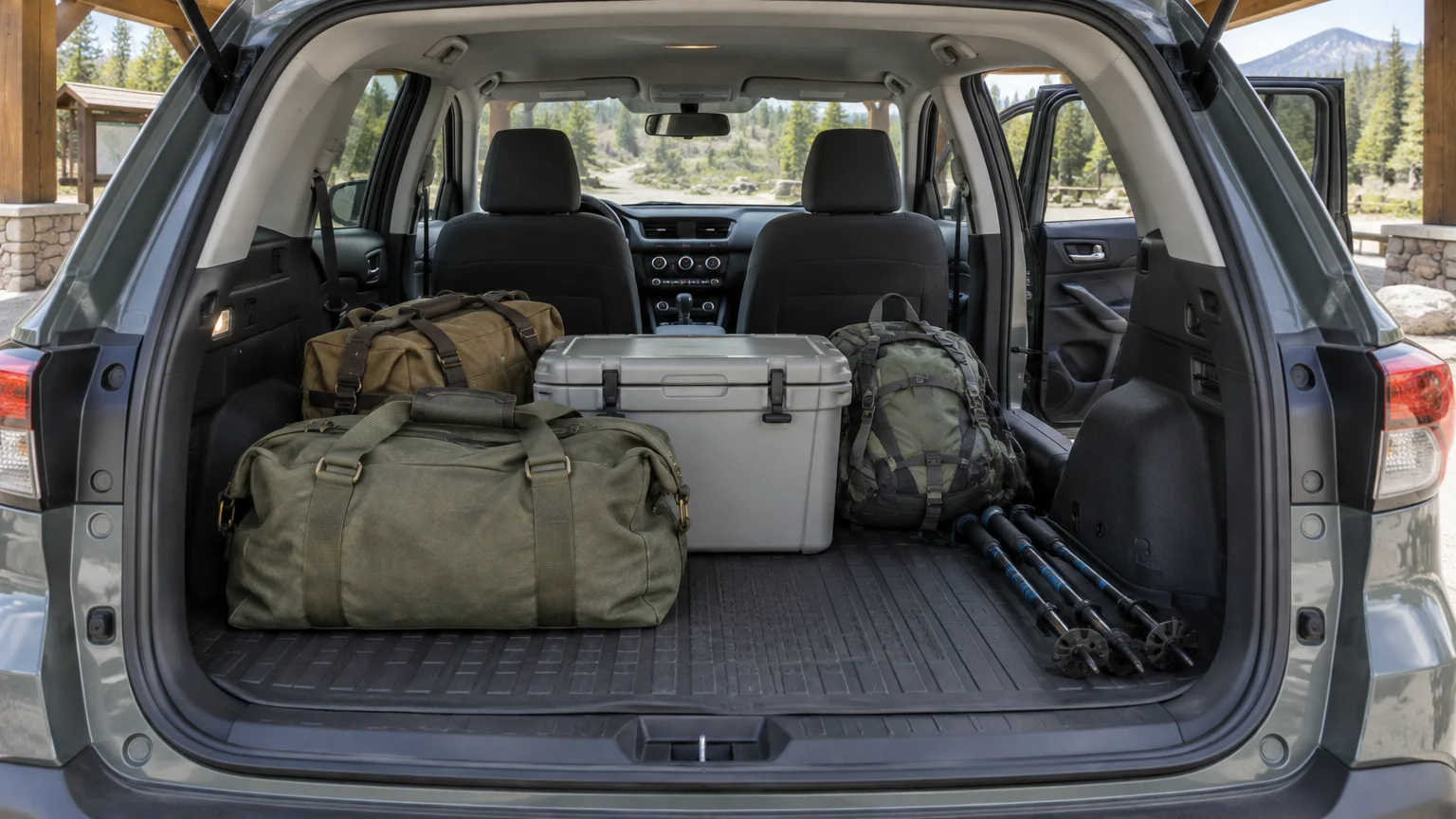
Cargo volume measures an impressive 41.7 cubic feet behind the second row. Folding the rear seats flat expands that storage capacity to 77.9 cubic feet for bulky camping gear or home renovation supplies.
Loading gear or securing child safety seats is simpler because the rear passenger doors now open to an expansive 83 degrees. That is a ten-degree widening over the outgoing model’s 73-degree door swing.
Inside the tech-focused cockpit, the 2027 Tucson debuts Pleos Connect, an Android Automotive operating system. Drivers interact with a standard 12.9-inch touchscreen or an optional 17-inch display alongside a 9.9-inch digital gauge cluster.
While software controls navigation and the Gleo AI voice assistant, Hyundai wisely retained tactile physical buttons. Dedicated switches handle climate temperature, fan speed, stereo volume, and heated seats without forcing you into distracting digital submenus.
Budgeting for New Car Prices in the Compact Hybrid Segment
Hyundai has not yet released official pricing for the 2027 Tucson lineup. Industry analysts estimate starting manufacturer suggested retail prices will range between $32,000 for base gas models and over $42,000 for loaded trims.
For comparison, the outgoing 2026 Tucson Hybrid started at $31,300, while the front-drive gas XRT started at $35,225 before destination fees. Expect the added hardware on the XRT Pro to command a noticeable premium.
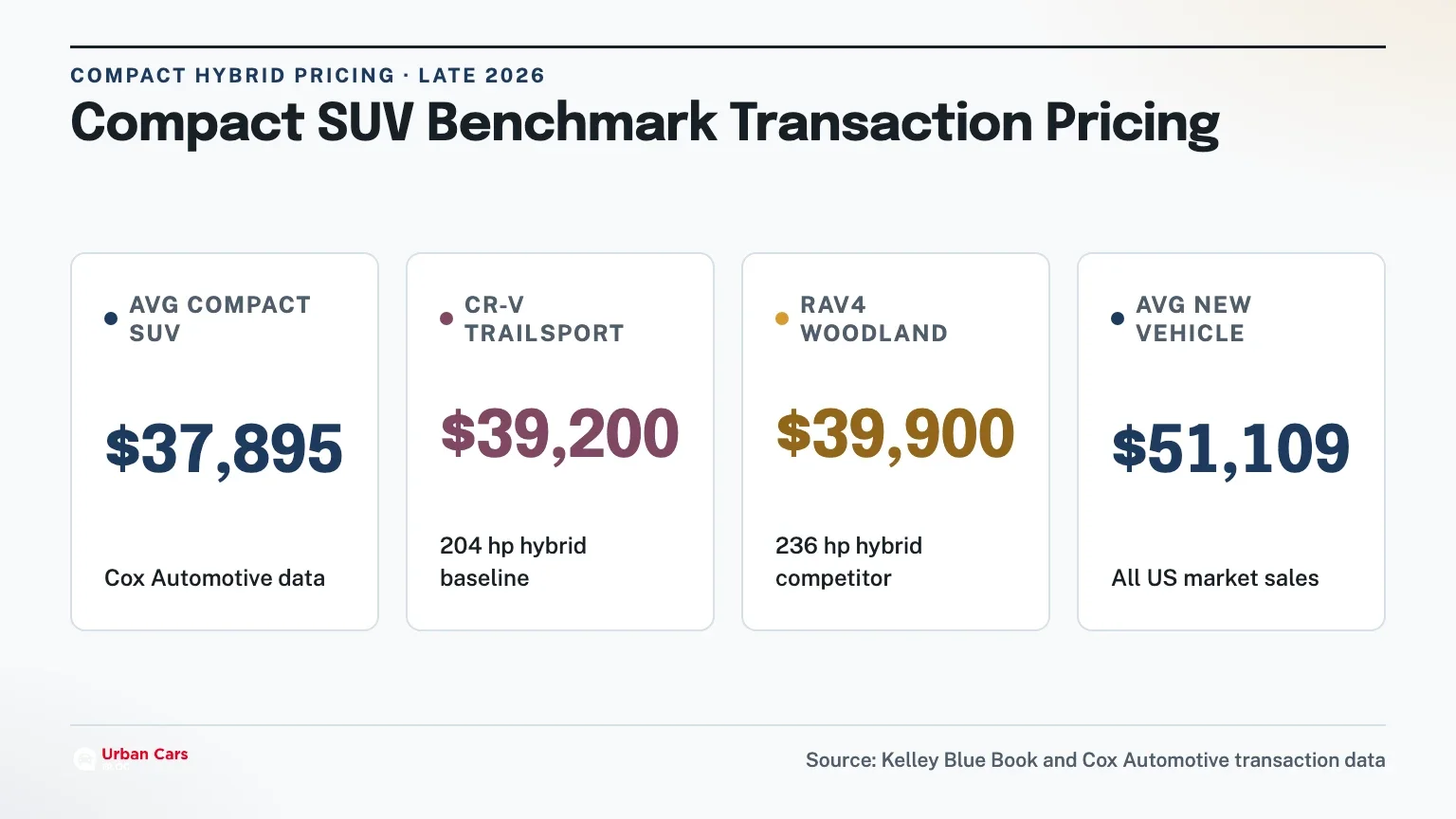
Context matters when evaluating Kelley Blue Book and Cox Automotive transaction data. In late 2026, the average new vehicle in America sold for $51,109, while the average compact SUV transacted at $37,895.
Direct competitors already occupy this specialized space. The 2027 Honda CR-V TrailSport Hybrid starts at $39,200 with 204 horsepower, while the 2026 Toyota RAV4 Woodland Hybrid commands $39,900 for 236 horsepower.
Checking the EPA Fuel Economy portal will be essential once official ratings publish. Hyundai targets up to 42 mpg combined on standard front-drive hybrids, though knobby all-terrain tires will trim that figure.
Expert Perspectives on Trail Capability and City Durability
Automotive service technicians highlight how off-road suspension components protect vehicles against severe urban wear. Pothole strikes routinely destroy low-profile tires and bend delicate alloy rims on standard city commuters.
“An 8.3-inch ride height combined with taller tire sidewalls acts like an insurance policy against municipal road damage,” notes Chicago-based master mechanic Greg Vance. “You absorb severe impacts that would bend standard passenger wheels.”
Chassis engineers point out that hybrid electric motors solve traditional small-engine off-road deficiencies. Electric torque responds instantaneously, giving you steady crawling power without revving the gasoline engine high into its powerband.
Commuters who test-drove preproduction prototypes praise the dual-nature personality of the vehicle. You enjoy a refined, quiet commuter car from Monday through Friday, yet retain genuine outdoor independence whenever Friday evening arrives.
Frequently Asked Questions
When can I buy the 2027 Hyundai Tucson Hybrid XRT Pro?
Hyundai will launch gasoline-powered 2027 Tucson models in the first quarter of 2027. Hybrid models, including the trail-focused XRT Pro, arrive at American dealerships in early Q2 2027.
Can the Tucson Hybrid XRT Pro tow a small camper?
Yes, all-wheel-drive 2027 Tucson Hybrid models boast a 3,000-pound maximum towing capacity. That represents a 1,000-pound increase over previous hybrid model years, making it suitable for lightweight travel trailers or small boats.
Is the 2027 Tucson available as a plug-in hybrid?
No, Hyundai discontinued the plug-in hybrid variant for the United States market for 2027. American buyers must select either the standard turbocharged 1.6-liter gasoline powertrain or the self-charging 233-horsepower hybrid.
How does the XRT Pro differ from the previous XRT trim?
The outgoing XRT was strictly an appearance package built on gas models with standard ground clearance. In contrast, the 2027 XRT Pro is hybrid-exclusive and adds an 8.3-inch lifted suspension, all-terrain tires, and off-road trail software.
Future Outlook and What to Watch Next
Hyundai produces North American Tucson models at its assembly facility in Alabama following a substantial $500 million manufacturing upgrade. This localized manufacturing footprint ensures steady domestic supply once production lines ramp up.
Safety performance remains another critical metric for prospective buyers. Shoppers should monitor safety evaluations from the Insurance Institute for Highway Safety once crash testing concludes for the redesigned fifth-generation body structure.
Official window-sticker fuel economy numbers and final trim pricing will release closer to the vehicle’s spring launch. Comparing real-world efficiency against its hybrid trail competitors will determine if the XRT Pro takes the compact crown.