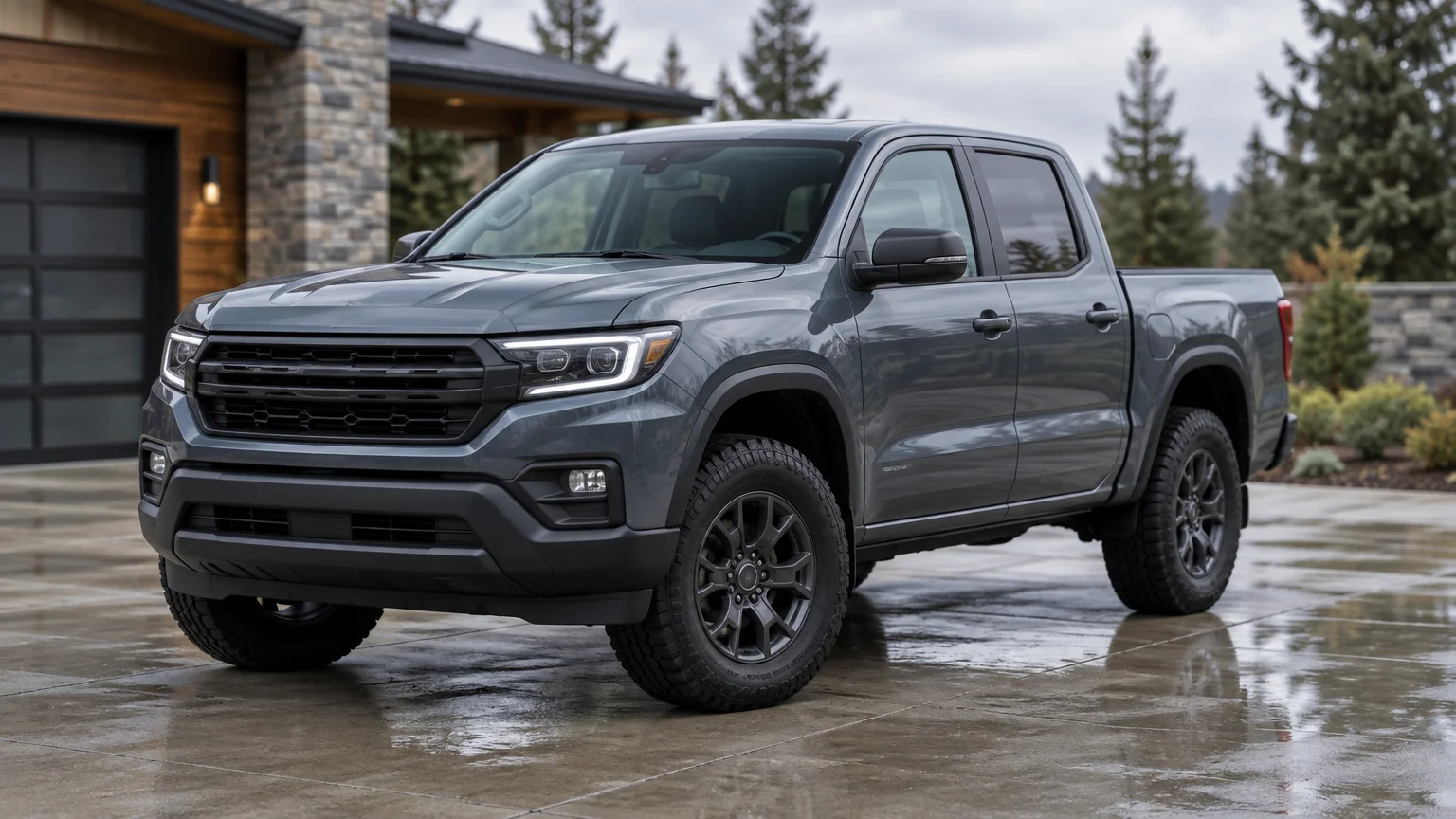
Toyota is raising prices on the 2027 Tacoma while cutting its free maintenance plan in half. If you want this midsize truck for city work or weekend getaways, you will pay more upfront and at the shop.
The base 2027 Tacoma SR now starts at $32,725 before destination fees. Meanwhile, complimentary factory service drops from two years down to just one year or 10,000 miles.
These changes shift extra ownership costs directly onto your wallet. Understanding these numbers will help you decide whether to buy a 2027 model or track down a remaining 2026 truck.
In This Briefing08 Sections ▾
- 012027 Tacoma Pricing Breakdown by Trim
- 02The ToyotaCare Cut: What You Lose
- 03Equipment Updates and Carryover Hardware
- 04Urban Driving and Real-World Ownership Costs
- 05Market Dominance Drives Toyota’s Pricing Power
- 06Expert Perspectives from the Shop and the Street
- 07Frequently Asked Questions About the 2027 Tacoma
- 08Future Outlook for Midsize Truck Buyers
2027 Tacoma Pricing Breakdown by Trim
The official announcement from the Toyota USA Newsroom detailed the pricing schedule across the entire 2027 Tacoma lineup.
The base SR XtraCab two-wheel-drive truck now starts at $32,725. That is a $180 increase over late 2026 models and $580 higher than the original 2026 launch price.
Every buyer must pay the mandatory $1,745 delivery, processing, and handling fee. That destination charge brings your entry cost to $34,470 before taxes and dealer fees.
Delivery charges run higher in southern distributor states like Florida and Texas. Upgrading to the four-door Double Cab SR with rear-wheel drive raises your cost to $36,130 with destination.
Adding four-wheel drive to the base truck requires an extra $3,200 payment. Meanwhile, the popular SR5 trim starts at $36,815, reaching $38,560 for two doors or $39,970 for four doors with shipping.
If you prefer the street-styled TRD PreRunner, the starting sticker sits at $39,315. That price reflects the same modest $180 bump seen on lower trims.
Trail-oriented models take larger price jumps for the new model year. Both the TRD Sport and TRD Off-Road gas trims climb by $520, reaching $40,935 and $43,335.
Hybrid models take identical price hikes. The TRD Sport i-FORCE MAX now starts at $47,855, while the TRD Off-Road hybrid begins at $48,155 before shipping.
The Limited starts at $53,750, while the hybrid Limited costs $57,075. The Trailhunter starts at $63,930, and the TRD Pro hits $64,930, or $66,675 with destination.

The ToyotaCare Cut: What You Lose
The most significant change for 2027 is not the vehicle sticker price. Toyota cut its long-running ToyotaCare complimentary maintenance plan across nearly all new 2027 vehicles.
On 2026 models, the automaker covered factory-scheduled service for two years or 25,000 miles. For 2027, that coverage drops to one year or 10,000 miles.
This revision cuts your free maintenance time window in half. It also slashes the mileage cap by 60 percent, removing 15,000 miles of covered maintenance visits.
Toyota recommends routine factory service every six months or 5,000 miles. Under the previous plan, you received up to four dealer visits at no charge.
Under the new plan, you only get two complimentary visits. Those visits cover your 5,000-mile tire rotation and your first full synthetic oil change at 10,000 miles.
You lose the free 15,000-mile inspection and the second-year oil change at 20,000 miles. That second year of basic upkeep will now come directly out of your pocket.
Some complimentary benefits remain intact for the 2027 model year. Toyota continues to provide 24-hour roadside assistance for two full years with unlimited mileage.
Factory warranties carry over without reductions. You still receive a 36-month or 36,000-mile basic warranty and a 60-month or 60,000-mile powertrain warranty.
Hybrid buyers retain their specialized coverage plans. Toyota covers hybrid components for eight years or 100,000 miles, while the hybrid battery keeps its 10-year or 150,000-mile warranty.
Equipment Updates and Carryover Hardware
Toyota added some fresh interior features to help offset the higher pricing. Four-door SR5 models now include a standard power-adjustable driver seat for better posture.
Those SR5 trucks also gain heated front seats and dark-silver alloy wheels. These additions make daily winter commutes far more comfortable.
Infotainment options see useful packaging updates for 2027. You can now get the large 14-inch touchscreen through the TRD Upgrade package or as a standalone option.
On earlier models, getting that big screen required buying expensive luxury bundles. This change gives you more freedom to choose tech without paying for luxury packages.
The extreme TRD Pro model receives a visual update as well. Buyers can now order the flagship off-road truck in an exclusive exterior paint color called Honeycomb.
Core mechanical specifications carry over unchanged from last year. Base SR models use a 2.4-liter turbocharged four-cylinder engine making 228 horsepower and 243 pound-feet of torque.
Higher gas trims deliver up to 278 horsepower and 317 pound-feet of torque. The i-FORCE MAX hybrid powertrain produces 326 horsepower and 465 pound-feet of torque.
Maximum towing capacity remains steady at 6,500 pounds on conventional gas models. Hybrid trucks retain a 6,000-pound towing limit due to the extra weight of hybrid batteries.
Urban Driving and Real-World Ownership Costs
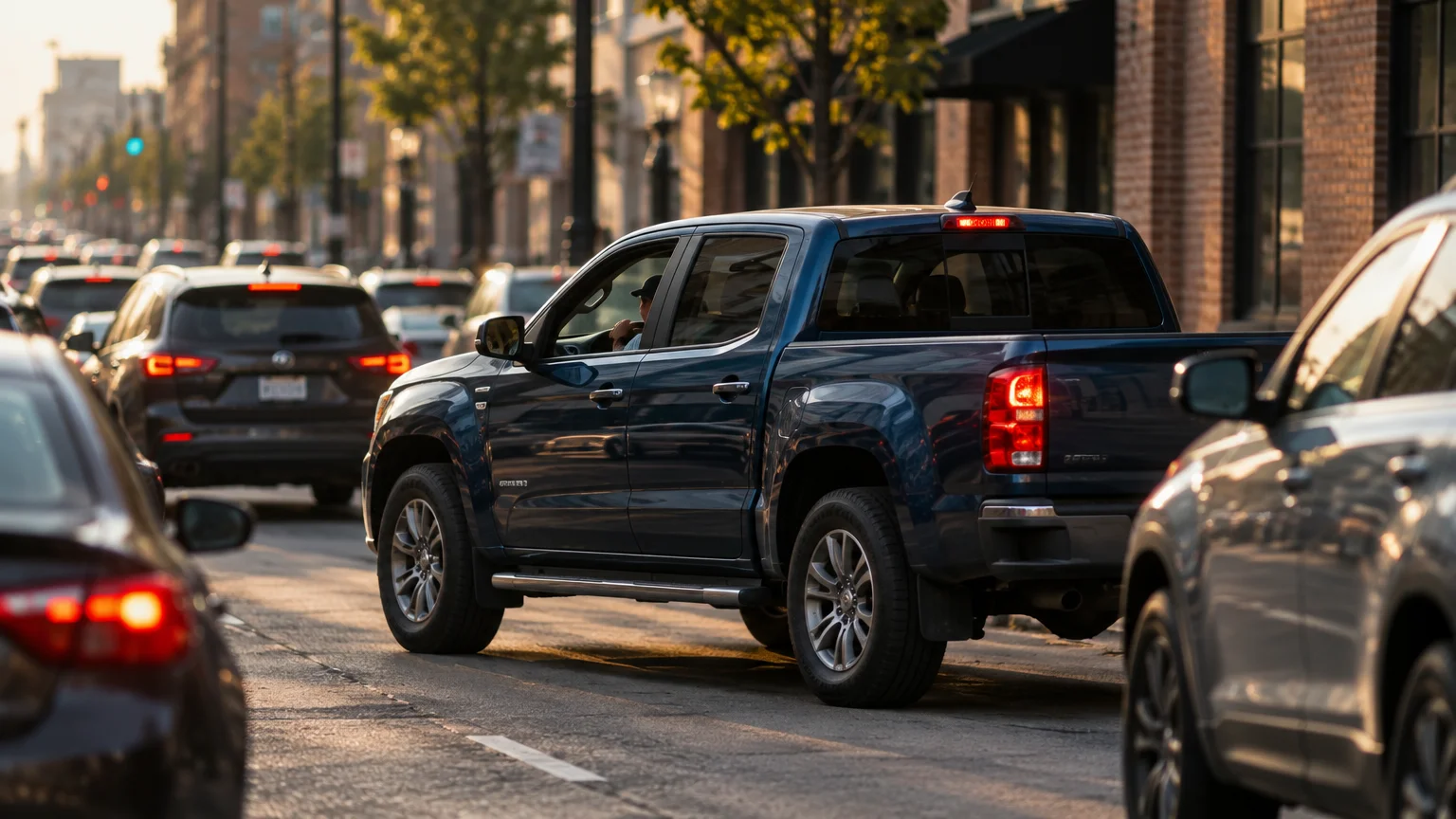
City driving creates severe mechanical wear on modern turbocharged engines. Frequent idling, short trips, and stop-and-go gridlock break down motor oil much faster than highway travel.
Because Toyota dropped the second year of free service, expenses hit sooner. A synthetic oil change and tire rotation at a dealership runs between $120 and $180.
You can verify fuel consumption numbers through official ratings from the EPA fuel economy database. City driving consumes fuel rapidly, which raises your monthly operational expenses.
If you commute through crowded downtown corridors, track your service mileage closely. Postponing oil changes to save money can ruin turbo components and void your powertrain warranty.
Independent repair shops offer a sensible way to keep maintenance costs down. Reputable local mechanics often charge 20 to 30 percent less than dealership service departments for routine fluid changes.
Always file away your service receipts if you visit an independent mechanic. Detailed maintenance records provide vital proof if you ever need warranty repairs at a dealership.
Crash test scores from the Insurance Institute for Highway Safety help you spot safety gear that lowers insurance rates.
Market Dominance Drives Toyota’s Pricing Power
Toyota can bump prices and cut complimentary services because buyer demand remains overwhelming. The Tacoma continues to dominate the American midsize pickup market by a huge margin.
Toyota delivered 274,638 Tacomas during the 2025 calendar year. That massive total marked an impressive 42.4 percent sales surge over the previous year.
Strong buyer demand carried forward into the following year. The automaker sold 237,128 Tacomas between January and October 2026, marking another 4.4 percent gain.
Rival brands cannot match those sales figures. For comparison, the 2027 Nissan Frontier S starts at $32,490 before freight charges, yet it captures far less overall market share.
Because truck shoppers line up to buy Tacomas, Toyota feels minimal pressure to offer big discounts. Trimming maintenance coverage saves the company millions without slowing dealer sales traffic.
Dealerships already have 2027 models on lots. By late November 2026, dealers held over 1,300 trucks in stock with nearly 5,000 more in transit.
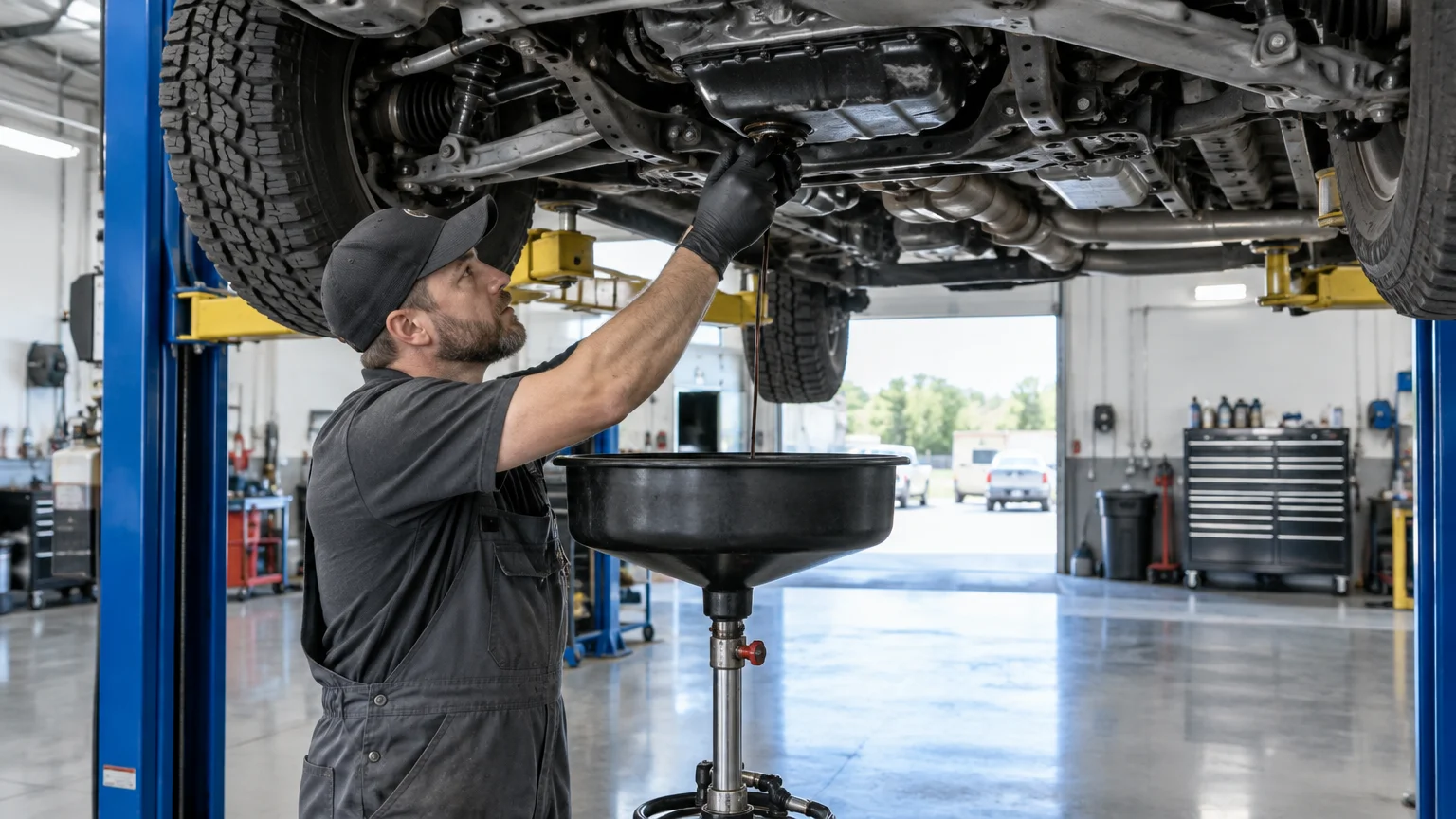
Expert Perspectives from the Shop and the Street
Automotive professionals view the maintenance reduction as a calculated financial move. Dealership service directors know that many truck owners never use all four free visits.
Marcus Vance, a Chicago automotive technician, warns city drivers against skipping service. Modern turbo engines require clean oil to protect bearings and timing systems.
City driving is considered severe service by almost every automaker, Vance explains. Toyota cut the second-year free visit, but you still need to change that oil on schedule.
Urban commuter Elena Torres drives her Tacoma daily through downtown Seattle. She purchased a late 2026 model to keep the two full years of complimentary factory maintenance.
Free service factored heavily into my purchase, Torres noted. Losing that second year means paying about $250 more during early ownership.
Industry analysts point out that benefit trims protect profit margins. Cutting service plans avoids the sticker shock of higher vehicle window stickers.
Frequently Asked Questions About the 2027 Tacoma
Does this maintenance cut apply across the Toyota lineup?
Yes, this change affects almost all 2027 Toyota models. The policy applies to the 4Runner, Tundra, and Land Cruiser, excluding only the Mirai.
How much did 2027 Tacoma prices increase?
Most 2027 trims rise by $180 over late 2026 models. The popular TRD Sport and TRD Off-Road trims increase by $520 across gas and hybrid versions.
Did Toyota change the standard factory warranties?
No, standard vehicle warranties remain unchanged. You still get a 36-month or 36,000-mile basic warranty and a 60-month or 60,000-mile powertrain warranty.
Does roadside assistance still last two years?
Yes, 24-hour roadside assistance remains active for two years with unlimited miles. You can still call for emergency towing, jump starts, and lockout services.
Future Outlook for Midsize Truck Buyers
Before you buy, check vehicle safety recalls and crash records through the National Highway Traffic Safety Administration. Doing your homework gives you solid leverage when negotiating on the sales floor.
Watch how competing truck brands respond to Toyota’s maintenance rollback over the coming year. Competitors like Nissan or General Motors might offer longer service coverage to attract price-conscious buyers.