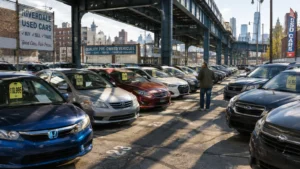
You pay significantly more for pre-owned transportation today than you did seven years ago. If you want to protect your capital in urban markets, you must identify which vehicle segments gained true equity and which inflated on temporary supply disruptions.
Across metropolitan regions, traditional automotive depreciation curves collapsed entirely between 2019 and 2026. Everyday commuter sedans and high-performance collector cars alike shattered historical pricing norms, turning regular vehicle upgrades into intricate financial choices.
Navigating these inflated retail inventories requires reliable data on wholesale benchmarks, municipal regulations, and long-term mechanical durability. By examining specific valuation surges, you can make smarter vehicular investments and bypass overpriced dealership inventory.
Macro Used Car Market Dynamics: The Great Valuation Reset
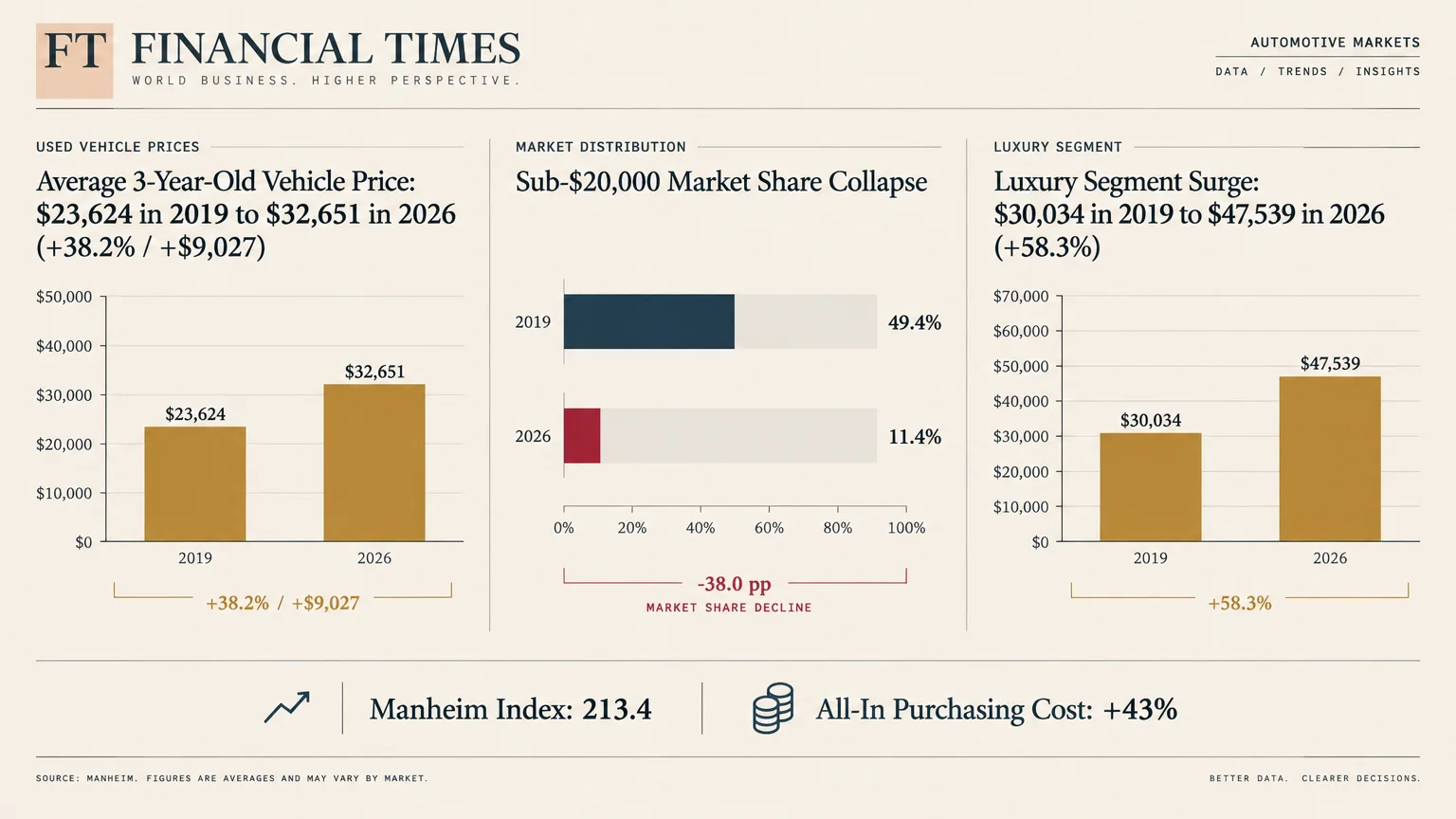
Data from automotive market researchers proves an unprecedented structural shift in pre-owned vehicle economics. A comprehensive iSeeCars study analyzing over 11.4 million transactions revealed that the average three-year-old vehicle climbed 38.2% between 2019 and 2026.
That dramatic jump translates to a direct cash increase of $9,027 on dealership lots. You now face an average retail price of $32,651 for a three-year-old model that previously traded for $23,624.
This steep upward trajectory hits city commuters especially hard when purchasing everyday transport. The inventory of affordable pre-owned vehicles vanished at a breathtaking rate throughout this seven-year window.
In 2019, nearly half of all three-year-old used vehicles—specifically 49.4%—carried price tags below $20,000. By 2026, that budget-conscious bracket dwindled to a meager 11.4% of available vehicles.
Older inventory offers little financial respite for metropolitan buyers seeking basic mobility. Vehicles aged five years saw their sub-$20,000 market presence collapse from 69.2% in 2019 down to 26.6% in 2026.
Luxury passenger cars recorded the most violent segment surge across the entire secondary market. Valuations in that luxury category rose 58.3%, escalating from an average of $30,034 in 2019 to $47,539 in 2026.
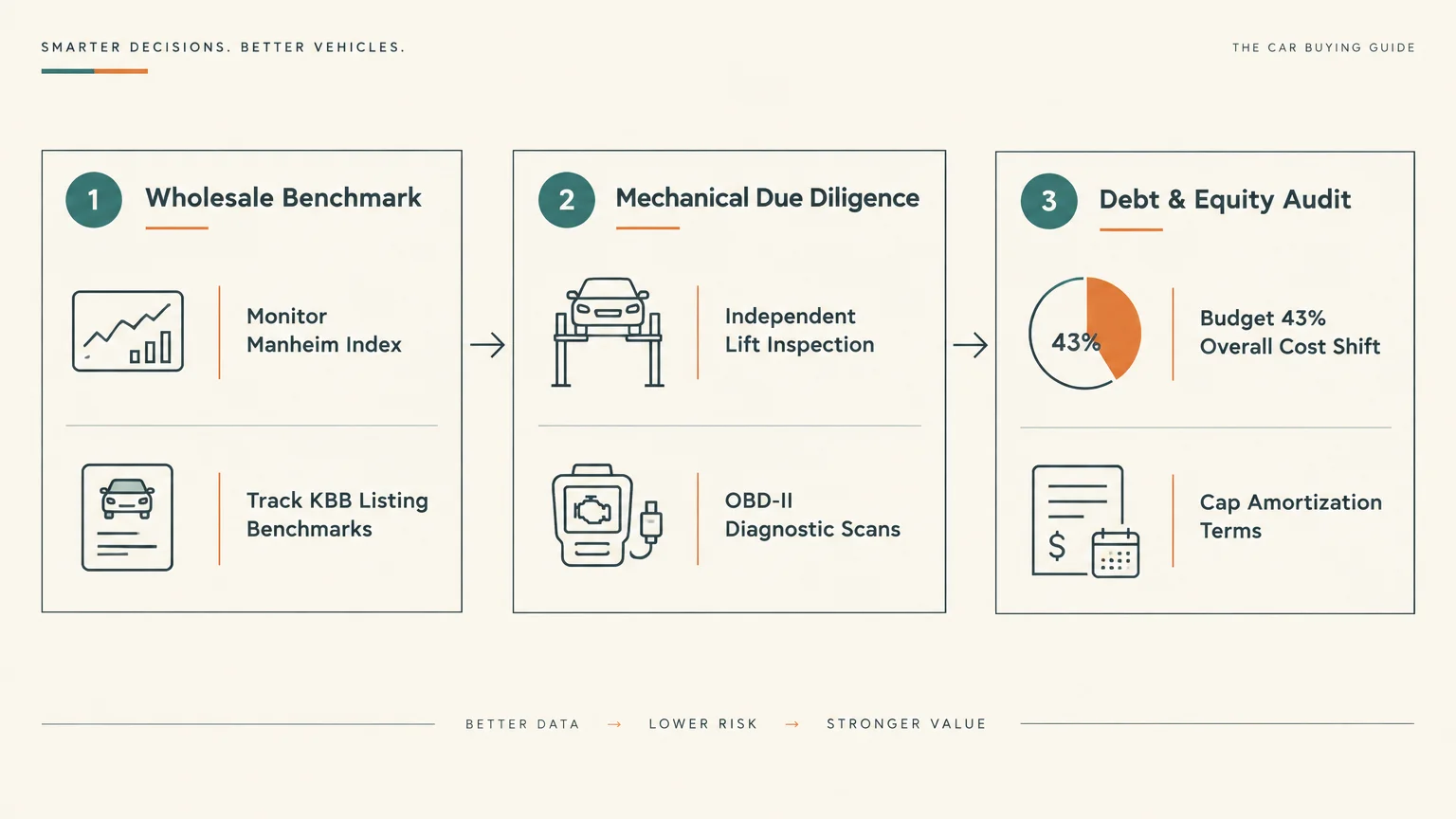
Borrowing constraints amplify these elevated vehicle prices across every major metropolitan region. Data published by Cox Automotive indicates that all-in used vehicle purchasing costs sit 43% higher in 2026 than in 2019.
Elevated vehicle prices combined with steeper interest rates force buyers to commit greater capital. You must budget significantly more cash each month to service standard automotive debt.
Broad wholesale benchmarks confirm that these retail figures reflect entrenched dealer acquisition costs. The Manheim Used Vehicle Value Index stood at 205.9 in September 2026 before advancing to 213.4 in mid-October 2026.
Kelley Blue Book reported that the average overall used car listing price reached $27,235 in September 2026. You cannot approach pre-owned dealer inventory with outdated expectations regarding historical depreciation schedules.
Urban Infrastructure, Supply Chain Bottlenecks, and Tech Disruption
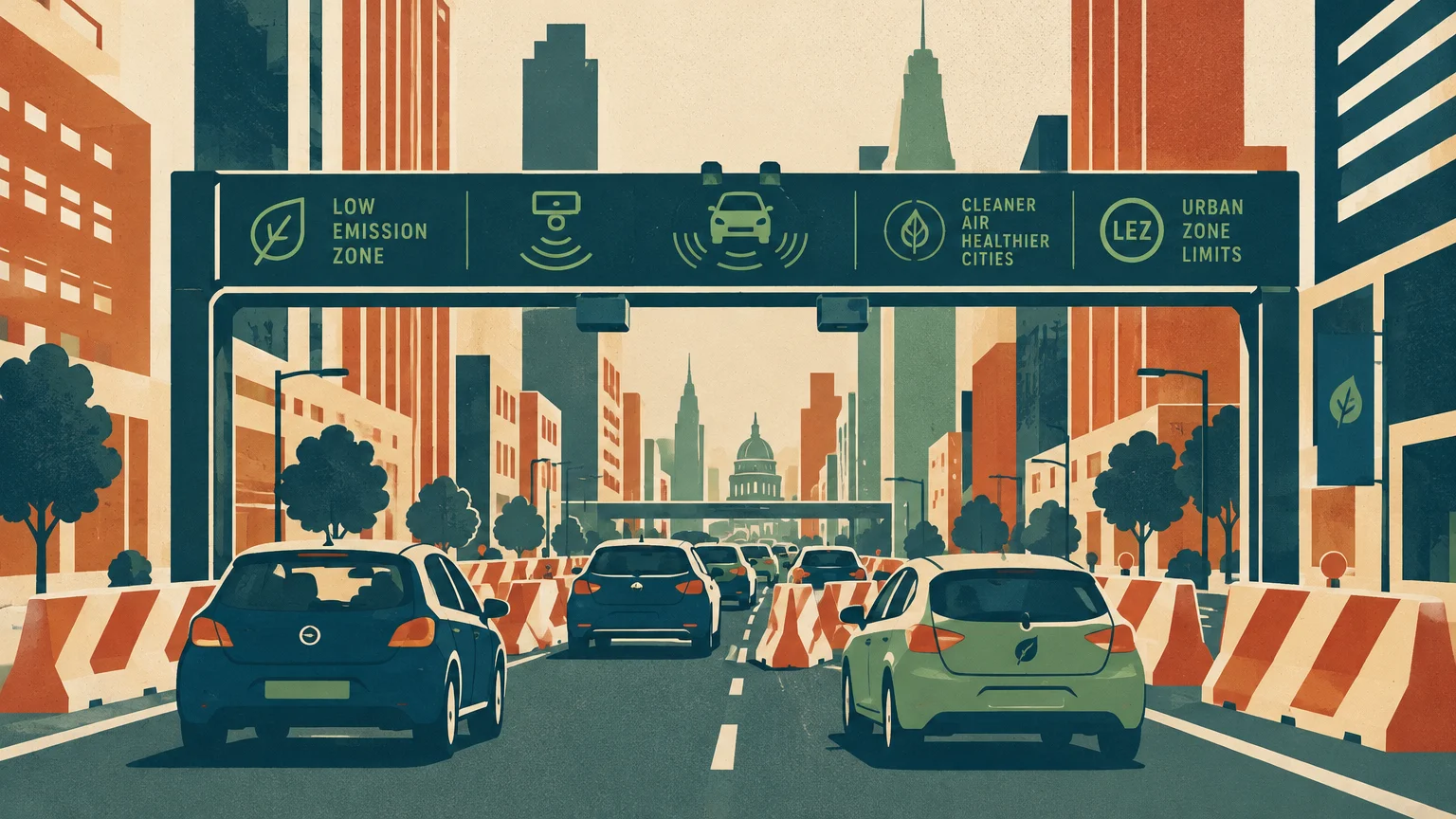
City driving demands agile, efficient transportation that satisfies stringent local emissions rules and crowded street environments. As municipal authorities enforce low-emission zones, demand for efficient internal combustion platforms and refined hybrid systems has surged.
Federal mandates played a major role in shaping vehicle availability across urban centers. Stricter emissions baselines monitored by the EPA greenhouse gas standards pushed automakers to retire affordable compact cars entirely.
When manufacturers terminated low-margin urban runabouts, they pushed thousands of entry-level buyers into pre-owned markets. You face intense competition for reliable compact cars because automakers no longer build cheap replacements.
Simultaneously, microchip shortages and production delays from previous model years created a persistent deficit of quality lease returns. Dealerships compete aggressively at wholesale auctions to secure three-year-old and five-year-old vehicles for their lots.
Modern city drivers also push back against excessive digital complexity and distracting touchscreens. Many motorists actively hunt for pre-owned vehicles that balance modern safety conveniences with intuitive, analog cabin controls.
This consumer preference creates tremendous value retention for well-built models manufactured just prior to current touchscreen-heavy designs. You hold valuable leverage if you maintain a vehicle featuring tactile buttons and robust mechanical components.
10 Used Cars That Cost Way More Today Than 7 Years Ago
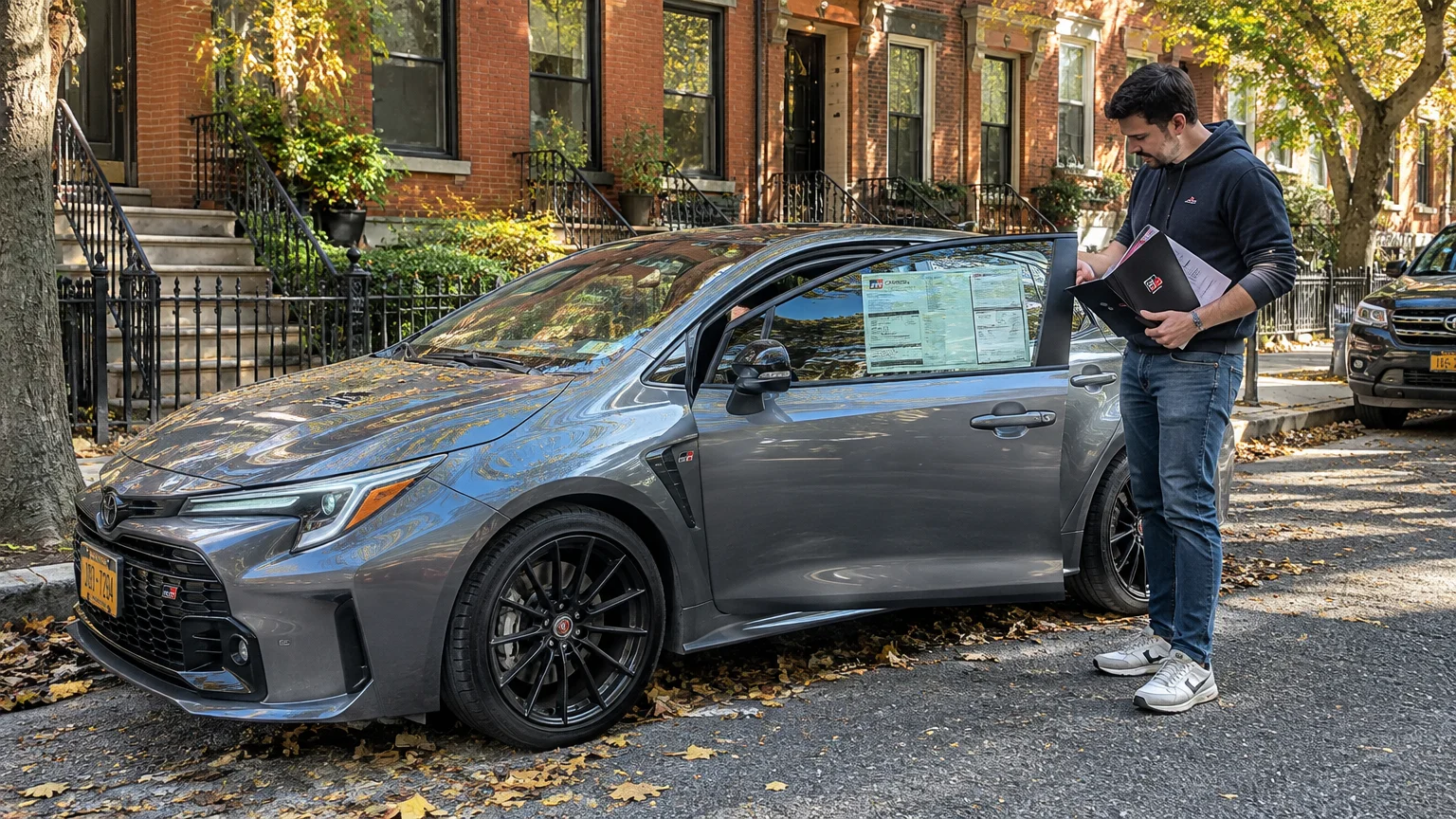
The following ten vehicles illustrate how enthusiast appreciation and urban practicality defied standard depreciation patterns over seven years. Each model offers critical lessons on how automotive markets reward performance heritage, reliable engineering, and timeless design.
1. Porsche 911
The Porsche 911 recorded an extraordinary valuation surge between 2019 and 2026. Overall, three-year-old examples surged 74% over seven years to command an astonishing average price of $230,273.
Convertible models experienced the steepest upward surge across the lineup, rising 80.8% from $109,574 in 2019 to $198,090 in 2026. Coupe variants tracked closely behind, escalating 80.1% from $142,197 to $256,070 over the same period.
Older air-cooled 911 generations also appreciated dramatically during this era. Values for the classic 993 generation increased nearly 70% between 2020 and 2026, rising from $120,000 to approximately $200,000.
For urban drivers, the 911 delivers an unbeatable balance of compact footprint and genuine supercar dynamics. You can slip through dense traffic and squeeze into tight parking structures without breaking a sweat.
Its exceptional rear-engine traction provides outstanding acceleration when merging onto bustling commuter expressways. Furthermore, its legendary build quality ensures you can drive it frequently without fear of fragile components failing.
If you purchase a modern pre-owned 911, focus on options like front-axle lift systems. That specific feature protects expensive lower splitters from steep parking garage ramps and aggressive city speed humps.
2. Porsche Cayenne
Many drivers assume that luxury sport utility vehicles depreciate rapidly, but the Porsche Cayenne broke all traditional models. Between 2019 and 2026, three-year-old Cayenne models recorded a 75.7% price increase, leading the entire SUV sector.
Metropolitan drivers embrace the Cayenne because it blends sports car chassis tuning with practical family utility. Its sophisticated active air suspension smooths over jagged potholes while preserving flat cornering during spirited cornering maneuvers.
Rising retail prices for brand-new luxury SUVs pushed many executives into certified pre-owned lots instead. This sustained demand allowed pre-owned Cayenne models to command massive premiums across both V6 and V8 configurations.
When you evaluate a pre-owned Cayenne, examine the air suspension bladders and brake friction components thoroughly. Urban stop-and-go driving wears heavy performance brake pads quickly, creating substantial maintenance bills if neglected.
Opting for models with comprehensive digital service records ensures previous owners completed all required transfer case and differential flushes. These meticulous ownership habits protect your vehicular equity over extended metropolitan ownership cycles.
3. Acura TLX
Executive sports sedans often suffer from steep resale drops, but the Acura TLX engineered a remarkable financial rebound. Three-year-old TLX sedans rose 67.1% over seven years, climbing from an average of $21,277 in 2019 to $35,555 in 2026.
City professionals prize the TLX because it provides upscale luxury without exorbitant European maintenance costs. Its intuitive interior layout and comfortable seats make grueling gridlock commutes substantially less stressful for busy drivers.
Equipped with Acura’s Super Handling All-Wheel Drive, the TLX distributes torque across the rear axle with exceptional precision. You navigate slick, rain-soaked city streets with maximum stability and confidence during adverse seasonal weather.
Because replacement mechanical components share architecture with mainstream Honda models, scheduled maintenance stays remarkably affordable. You avoid the excessive shop labor rates and scarce part delays that frustrate competing luxury sedan owners.
If you shop for a TLX today, verify that previous owners performed transmission software updates promptly. Clean mechanical maintenance ensures the automatic transmission shifts seamlessly when creeping through sluggish downtown corridors.
4. BMW M3
The BMW M3 represents the gold standard for high-performance sedans, and secondary buyers paid handsomely for clean examples. Pre-owned three-year-old M3 models gained 62.9% between 2019 and 2026, soaring from $49,356 to $80,420.
Meanwhile, two-door BMW M4 variants jumped 51.6% from $50,214 to $76,121 during the exact same timeframe. Executive BMW M5 sedans also climbed 45.8%, advancing from $59,765 in 2019 to $87,164 in 2026.
Metropolitan drivers adore the M3 because it balances four-door commuter practicality with aggressive racetrack readiness. You can drop children off at school during morning rush hour, then tackle challenging autocross courses on the weekend.
Factory allocation shortages for new performance models channeled substantial buyer attention toward low-mileage pre-owned inventory. Drivers seeking analog engagement specifically hunt for manual transmission specifications, driving prices even higher.
When acquiring an M3, inspect the cooling package and radiator fins for debris damage from highway grit. City driving places heavy thermal loads on turbocharged inline-six engines, making efficient airflow paramount for long-term reliability.
5. Mercedes-Benz E-Class
The Mercedes-Benz E-Class posted massive price growth across every single body style over the past seven years. The E-Class Coupe advanced 62.5% from $31,630 to $51,399, while the Convertible climbed 61.7% from $39,864 to $64,456.
Traditional body styles matched this aggressive trajectory. The E-Class Sedan appreciated 55.0% from $30,103 to $46,657, while the versatile Wagon surged 54.0% from $46,229 to $71,184.
Urban drivers value the E-Class for its quiet cabin, peerless suspension compliance, and outstanding structural rigidity. The chassis glides over uneven tram tracks and road construction joints without transferring vibrations into the cabin.
Government crash testing confirms the remarkable protective envelope engineered into these midsize luxury platforms. You can check crash test ratings directly through the official NHTSA vehicle safety database to inspect structural performance across model years.
If you purchase an E-Class, inspect the auxiliary battery system and complex radar sensors carefully. Urban parking taps can knock delicate bumper sensors out of alignment, causing automated driver aids to trigger false alerts.
6. BMW 3 Series
As the perennial benchmark for executive compact transport, the mainstream BMW 3 Series demonstrated massive price durability. Three-year-old models surged 60.0% from $23,698 in 2019 to $37,922 in 2026.
You gain immediate advantages from its compact footprint and tight turning radius when maneuvering through congested underground parking ramps. Its communicative steering system provides immediate feedback, allowing you to place the car precisely within narrow lanes.
Young urban professionals turned aggressively toward pre-owned 3 Series inventory as new car prices escalated rapidly. These pre-owned models offer refined interior technology and premium materials without demanding new-vehicle dealer markups.
To preserve long-term reliability, change engine oil every five thousand miles rather than waiting for extended factory service intervals. Diligent lubrication changes protect timing chains and turbocharger bearings from premature wear induced by frequent urban idling.
Verify that previous owners replaced cooling hoses and plastic coolant fittings before high mileage accumulates. Constant heating and cooling cycles in stop-and-go traffic degrade plastic cooling lines, leading to sudden coolant leaks if ignored.
7. Toyota Supra Mk4 (A80)
In the vintage modern classic market, the fourth-generation Toyota Supra established unprecedented pricing authority. Over the 2020 to 2026 window, average Supra A80 values jumped 114%, soaring from $70,000 to $150,000.
Its factory 2JZ-GTE twin-turbo inline-six engine offers legendary mechanical durability that modern digital powertrains simply cannot match. Enthusiasts and collectors prize unmolested, factory-original examples above all else in today’s speculative collector landscape.
Generational nostalgia drove millennial urban professionals with expanding disposable incomes to acquire cars they idolized during childhood. This intense collector demand removed clean Supras from normal commuting cycles, turning them into blue-chip automotive assets.
You rarely see an authentic Mk4 Supra navigating downtown rush hour anymore due to soaring values. Owners secure them in monitored garages, driving them primarily during dry weekend gatherings and organized enthusiast rallies.
If you evaluate a Supra, pay close attention to structural frame rails and original VIN tags on every body panel. Factory-correct hardware and undisturbed wiring harnesses command the steepest financial premiums across all auction venues.
8. Acura NSX (First Generation)
The original Acura NSX redefined supercar engineering in the 1990s by introducing real-world ergonomics and unmatched mechanical reliability. Between 2020 and 2026, first-generation NSX values surged 89%, climbing from $87,000 to $165,000.
Its lightweight aluminum monocoque chassis and screaming naturally aspirated VTEC V6 engine deliver an extraordinarily pure driving experience. The steering rack conveys unfiltered pavement textures directly to your fingertips without artificial electronic interference.
Unlike temperamental European exotics of its era, you can drive an original NSX through dense city traffic without fear. Its low dashboard and thin greenhouse pillars offer panoramic outward visibility that eliminates standard blind spots.
Urban collectors recognize that the analog sports car era ended, making the NSX an irreplaceable collector milestone. Its mechanical simplicity allows independent marque specialists to service components without relying on proprietary computer subscriptions.
Check the snap-ring range on five-speed manual transmissions when inspecting early model years. Ensuring the gearbox operates outside the failure range protects you from extensive driveline rebuild costs down the road.
9. Nissan Skyline GT-R (R33)
The R33 generation Nissan Skyline GT-R exploded in popularity after crossing the 25-year threshold for legal federal importation. Valuation data from Hagerty collector tools reveals a benchmark valuation of $82,350 for the R33 in 2026.
Featuring the legendary RB26DETT twin-turbo engine and ATTESA all-wheel drive, the R33 conquered challenging race circuits worldwide. Once American enthusiasts gained legal access, international bidding wars sent purchase prices skyrocketing across global markets.
Urban car enthusiasts celebrate the R33 for its wide stance, aerodynamic downforce, and immense tuning ceiling. Piloting a genuine right-hand-drive Skyline through downtown avenues draws immediate attention from knowledgeable car spotters.
When shopping for an imported Skyline, inspect the chassis underbody for hidden saltwater corrosion from Japanese coastal climates. Installing modern ceramic undercoating shields the bare steel floor pans from corrosive winter road salt in cold cities.
Work with reputable import brokers who supply genuine export certificates and verified auction inspection sheets. Clear documentation guarantees you avoid legal hurdles or impoundment risks when registering your imported performance vehicle locally.
10. Lexus LFA
The bespoke Lexus LFA hypercar experienced a breathtaking financial ascent over the last seven years. Between 2020 and 2026, average LFA values surged 86%, escalating from $564,000 to $1,050,000.
Its naturally aspirated 4.8-liter V10 engine revs to 9,000 RPM, delivering an exhaust note tuned like a musical instrument. Built with an intricate carbon-fiber monocoque tub, the LFA proved Japanese engineering could outshine traditional European exotics.
With only 500 units produced worldwide, wealthy urban collectors now treat the LFA as an irreplaceable crown jewel. You see these machines showcased in high-end private galleries rather than subjected to gritty urban street parking.
Other rare sports models followed this high-end trajectory. The Mercedes-Benz SLS AMG Black Series rose 60% from $500,000 to $800,000, while the Ferrari 458 Speciale appreciated 50% from $350,000 to $550,000.
Even hypercars like the Porsche Carrera GT jumped 129% from $700,000 to between $1,550,000 and $1,600,000 over the same window. These astronomical figures underline how wealthy buyers value the final generation of analog supercars.
Mainstream Urban Commuters Defying Inflation
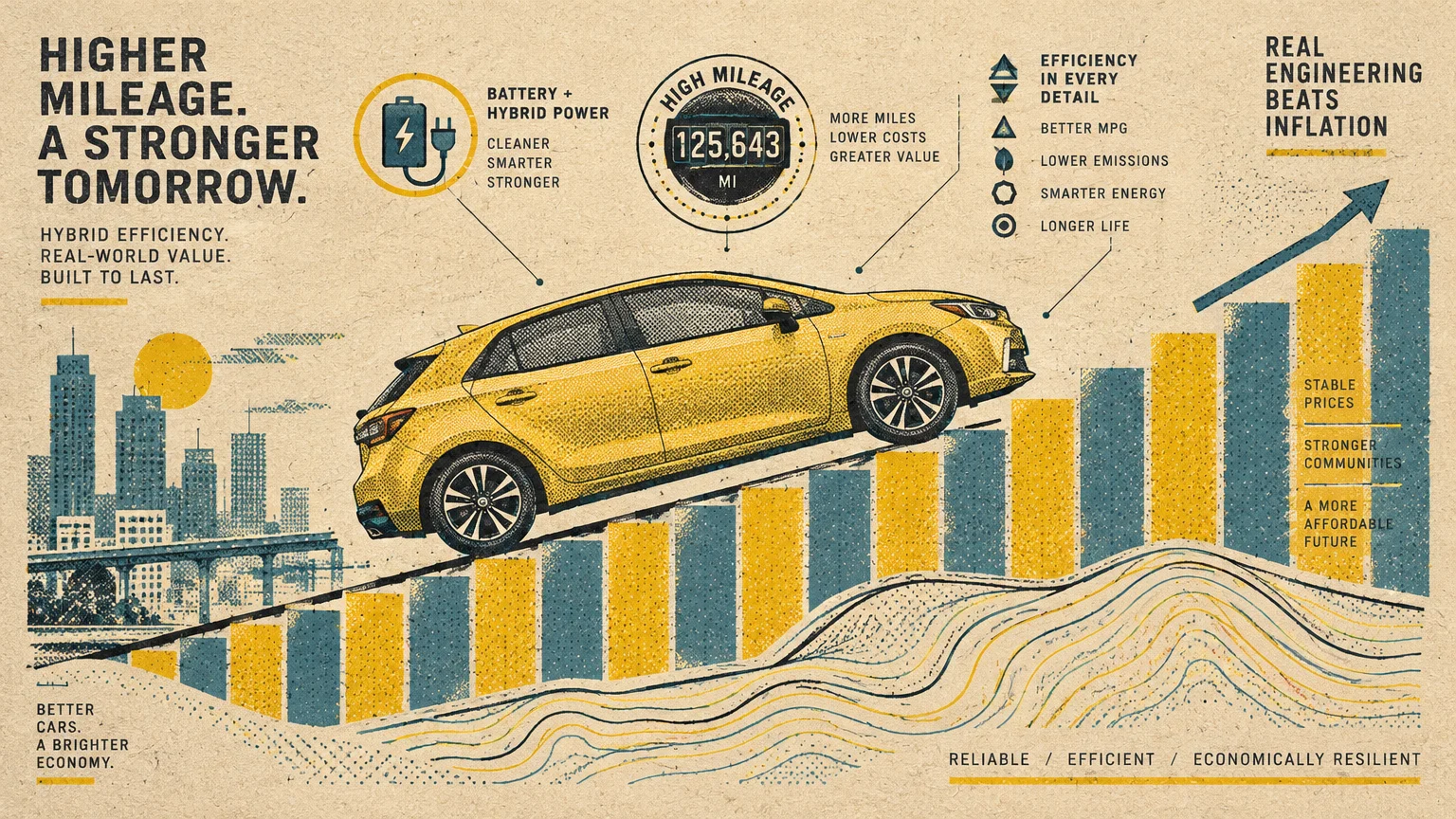
Surging vehicle prices did not isolate themselves to exotic supercars or luxury sports sedans over the last seven years. Everyday commuter cars experienced massive price spikes that directly impacted daily metropolitan budgets.
Among standard daily commuters, the Hyundai Elantra led mainstream price surges with an incredible 56.0% valuation jump. Urban commuters seeking reliable, low-cost transportation bid up pre-owned Elantra inventories as new vehicle shortages intensified.
The ubiquitous Toyota Camry climbed 49.9% over the same seven-year window, cementing its status as an inflation-resistant staple. Meanwhile, the compact Honda Civic posted a 44.7% price increase, reflecting relentless demand for dependable city runabouts.
Practical compact crossover shoppers experienced identical price pressures when shopping dealer lots. The Toyota RAV4 recorded a 40.2% price increase between 2019 and 2026, driven by its versatile cargo space and stellar fuel economy.
Enthusiast platforms also saw remarkable entry-level gains. Hagerty data notes that the 1999 to 2005 Mazda MX-5 Miata NB reached a benchmark valuation of $16,600, while the C6 Corvette Z06 hit $55,900.
Even the 2006 to 2010 BMW M5 E60 reached a benchmark value of $36,000, jumping 17% overall and 24% for concours examples. You must recognize that price inflation permeated every tier of the used automotive market.
Urban Ownership Challenges: Wear, Storage, and Infrastructure
Owning an appreciating or expensive pre-owned vehicle inside a dense city demands proactive asset management. You face constant environmental hazards that threaten both your mechanical components and exterior aesthetic finishes.
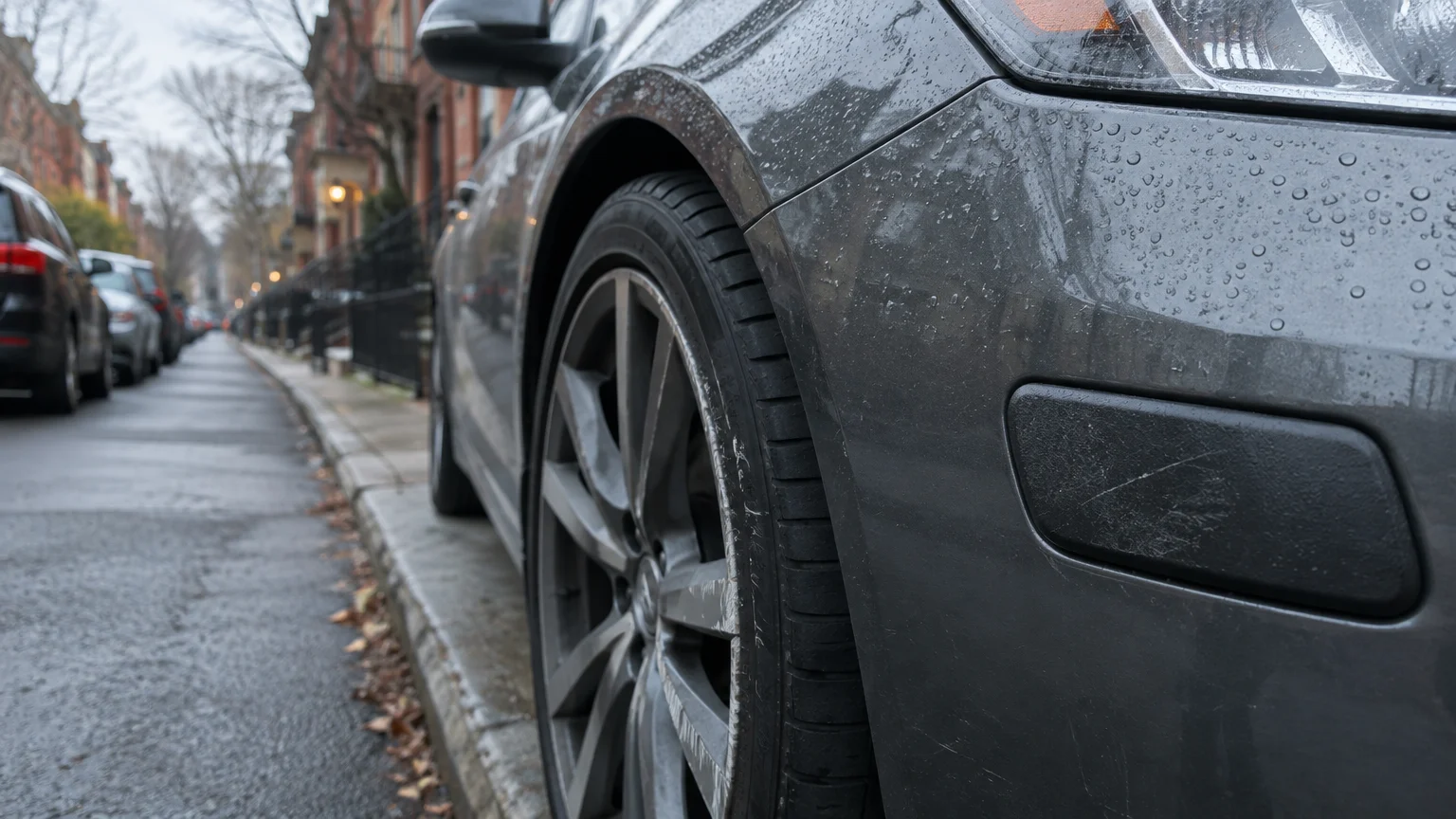
Street parking exposes valuable body panels to aggressive parallel parkers, opening doors, and delivery cart scrapes. Sourcing original replacement body panels for inflated collector vehicles can take months of searching and cost thousands of dollars.
Securing private, off-street garage parking remains the single most effective way to protect your automotive equity. Covered parking shields sensitive rubber window seals and automotive clear coats from harsh ultraviolet rays and industrial air pollutants.
Urban stop-and-go driving places intense thermal stress on automatic transmissions and braking components. Frequent idling prevents engine oil from reaching optimal operating temperatures during short winter trips, accelerating internal component wear.
To verify safety ratings and structural durability before investing significant capital, review test scores through the Insurance Institute for Highway Safety database. Diligent research ensures your selected vehicle protects your family effectively across hazardous urban intersections.
Insights From Mechanics, Commuters, and Mobility Experts
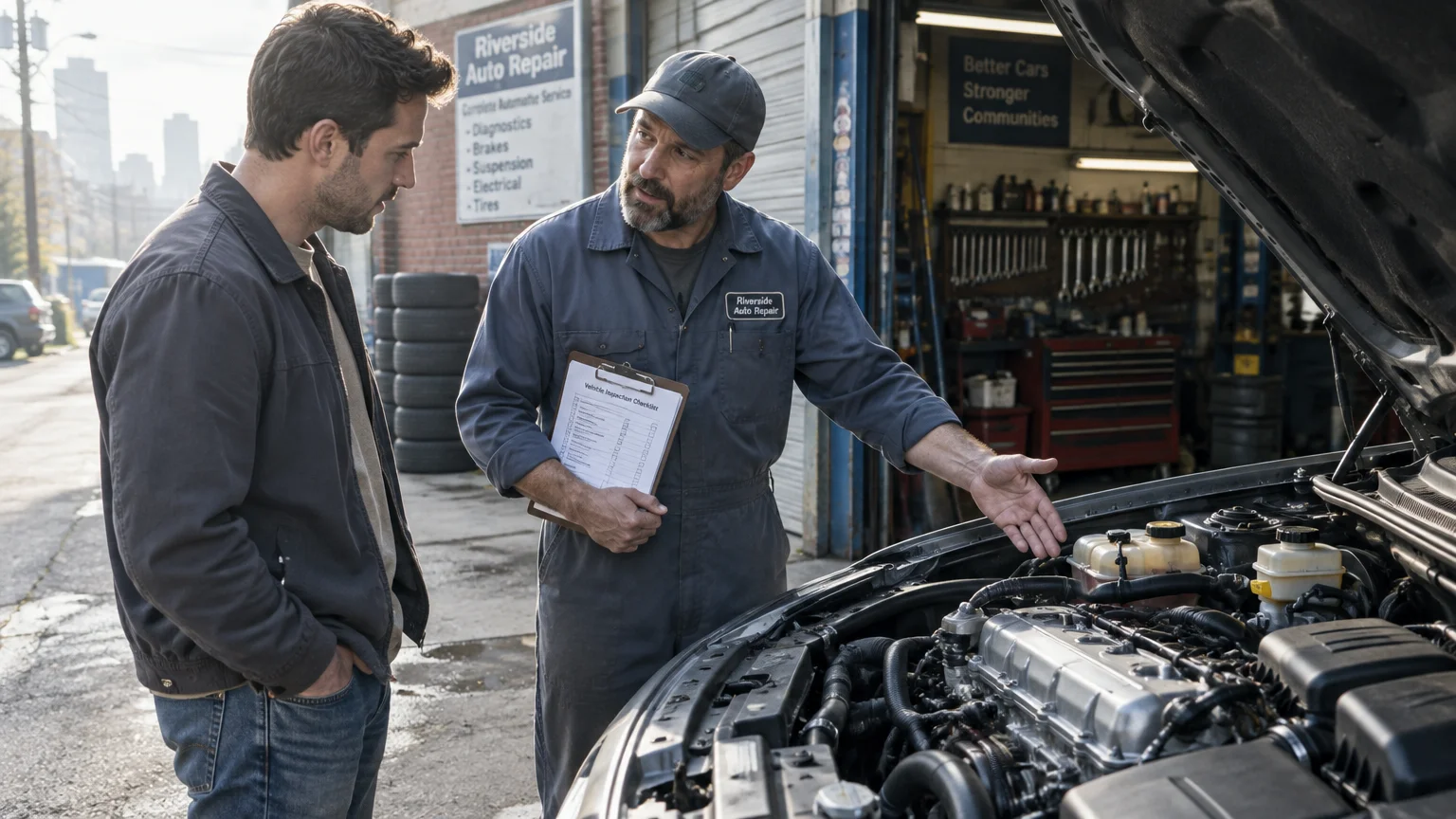
Automotive master technicians report an obvious behavioral shift among urban vehicle owners faced with soaring replacement costs. Instead of trading in vehicles when minor issues arise, drivers now invest heavily in preventative mechanical repairs.
Independent mechanics emphasize that routine fluid flushes and preventative cooling system refreshes yield massive long-term dividends. By replacing worn suspension bushings and aging water pumps early, you avoid cascading mechanical failures that destroy resale value.
Urban mobility planners observe that elevated car ownership costs push metropolitan commuters toward hybrid transportation strategies. City drivers increasingly combine public transit or micromobility for short weekday errands while reserving their personal vehicles for weekend travel.
This lifestyle adjustment prevents unnecessary stop-and-go mileage from accumulating on valuable vehicle odometers. You preserve both vehicle condition and market value by leaving your car parked during congested peak rush hours.
Actionable Tactics for Pre-Owned Car Shoppers
You can outmaneuver inflated dealership asking prices by applying structured research and disciplined purchasing habits. Never rush into an automotive transaction without verifying market comps and historical maintenance logs.
Always commission a comprehensive pre-purchase inspection from an independent mechanic who specializes in that specific marque. A skilled technician can identify concealed collision damage, leaking gaskets, and deferred maintenance using professional diagnostic equipment.
Broaden your geographical search radius beyond crowded city limits to find significantly better pricing opportunities. Dealerships situated in regional or suburban areas often maintain lower overhead costs, resulting in more flexible vehicle pricing.
Scrutinize vehicle history reports for frequent ownership transfers, structural damage flags, and irregular odometer readings. A car with two documented owners and continuous service records proves far more valuable than a poorly tracked alternative.
Secure independent pre-approved financing through credit unions before stepping foot onto dealership showroom floors. Having pre-arranged financing protects you from predatory dealer markup rates on used car loans in today’s high-interest environment.
Frequently Asked Questions
Why did used vehicle prices escalate so rapidly over seven years?
Severe new car production shortfalls forced millions of prospective buyers into the pre-owned vehicle marketplace. Lingering inflation and elevated interest rates subsequently pushed wholesale dealer acquisition costs to historic highs.
Are used car prices expected to return to 2019 levels soon?
Industry market analysts view a return to 2019 pricing baselines as virtually impossible under current macroeconomic conditions. Higher production expenses, stricter regulatory standards, and resilient consumer demand maintain an elevated permanent price floor.
Which vehicles retain their value best in metropolitan driving environments?
Compact executive sports sedans and reliable hybrid crossovers consistently maintain superior resale value in urban settings. Models like the Acura TLX and BMW 3 Series offer nimble handling and reasonable maintenance without excessive depreciation.
How can I protect my pre-owned vehicle from urban depreciation?
Park your car in secured, covered facilities to prevent cosmetic damage from careless street parkers and harsh weather. Maintain impeccable digital and paper service documentation to prove diligent mechanical care to future prospective buyers.
Future Market Outlook: What to Watch Next
The pre-owned vehicle landscape stands at a critical crossroad as electrification and urban congestion regulations expand. Automakers continue rolling out electric models, creating an interesting division between silent daily runabouts and tactile internal combustion icons.
Monitor municipal emissions rules and congestion toll schemes taking effect in major metropolitan centers. These regulatory adjustments will directly influence which internal combustion models remain economical to operate inside downtown cores.
Keep a close watch on wholesale auction indexes to anticipate upcoming changes in dealership showroom prices. Tracking wholesale metrics allows you to time your vehicle purchases when dealer inventories experience seasonal softening.
Approach every vehicle purchase with disciplined financial analysis rather than fleeting emotional excitement. By demanding verified maintenance histories and protecting your car from city wear, you will successfully navigate this expensive market.